For travelers, the journey often starts with a search bar. “Weekend getaway near Bangalore.” “Best backwater homestays.” “Family-friendly resorts in Kerala.”
And in those moments—right when their curiosity is fresh—Google decides whose story they see first.
For tourism businesses, this is not a chance to be missed. In 2025, Google Ads isn’t just an optional marketing channel—it’s the bridge between someone dreaming of a trip and booking it.
1. Be found at the right moment
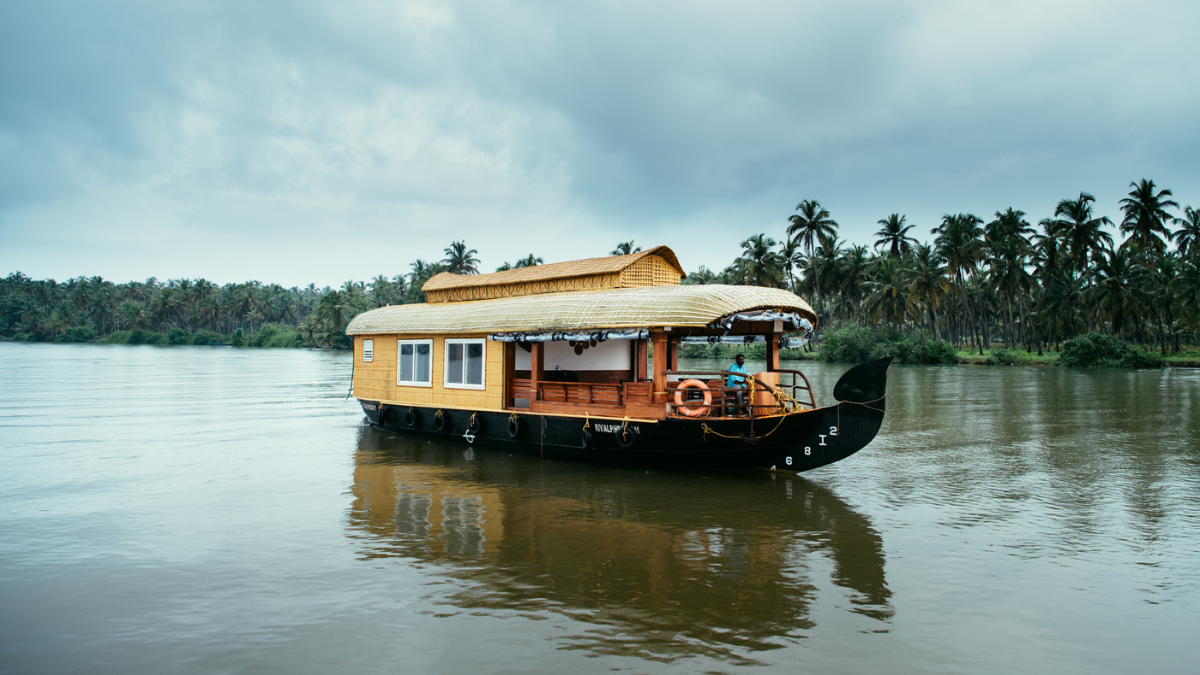
Google Ads lets you appear exactly when someone is actively looking for what you offer. This means your houseboat tour doesn’t get lost in a sea of generic travel posts—it shows up the moment someone searches “sunset cruise in Alleppey.”
2. Target with precision
You’re not shouting into the crowd; you’re speaking directly to travelers who are ready to act. You can target by location, language, device, and even the exact time of day. A boutique homestay in Wayanad could reach weekend travelers from Bangalore on Thursday evenings—right when they’re making plans.
3. Measure what matters
Unlike billboards or flyers, Google Ads tells you exactly what’s working. You’ll know which keywords bring bookings, which locations respond best, and how much every click is worth. This clarity means you’re never guessing—you’re refining.
4. Compete with the big players—smartly
You don’t need a giant budget to appear alongside well-known travel brands. With the right keywords and ad copy, even a family-run property can stand out. In tourism, personal and authentic often wins over big and generic.
At Lalaland, we’ve seen small tourism businesses double their direct bookings simply by running thoughtful, targeted Google Ads. The right ad doesn’t just sell a stay—it starts a story.
If you’re ready to be found when it matters most, let’s plan your campaign together.